

Disclosure: This post contains affiliate links. If you buy through these links, we may earn a small commission at no extra cost to you.
This is a little different from what we usually write about here, but bear with me. A lot of our readers run small beauty businesses, manage a salon’s books, sell on Etsy or Shopify, or work a corporate job while doing skincare reviews on the side. Sooner or later, all of those paths run into the same wall: spreadsheets, budgets, pricing, and the moment someone asks, “So what are your margins?”
I hit that wall a while ago. When I started looking for a way to learn finance properly, not just watch random YouTube clips, the name that kept coming up was the Corporate Finance Institute, better known as CFI (corporatefinanceinstitute.com). Here’s what it is, what it costs, and who I think it’s actually for.
What CFI Is (and Isn’t)
CFI is an online training platform for practical finance skills: financial modeling, valuation, Excel, FP&A (financial planning and analysis), accounting, data analysis and, more recently, AI for finance. It isn’t a university degree. It’s closer to a very structured, very hands-on professional course library, with certifications at the end.
The numbers are big. CFI says it has 3M+ registered users, over 95,000 certified professionals and learners in 200+ countries, and the platform is now endorsed by the US Higher Learning Commission (HLC), the body that accredits many American colleges. That endorsement is a useful signal if you’re wondering whether a certificate will mean anything to an employer.
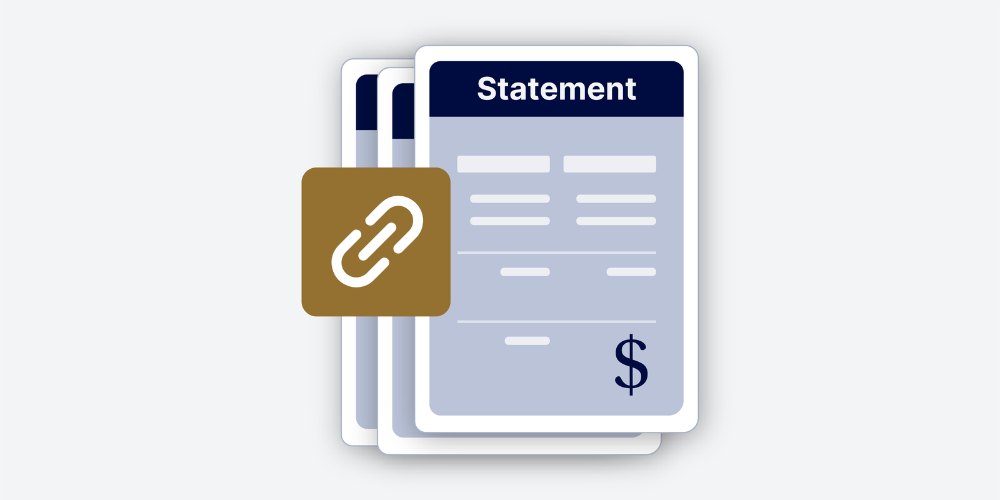
3-statement modeling, one of CFI’s core courses, teaches you to link the income statement, balance sheet and cash flow.
The Certification Most People Start With: FMVA®
CFI’s flagship program is the Financial Modeling & Valuation Analyst (FMVA®) certification. It has 44 courses in total (18 required), is fully online and self-paced, and is rated 4.9 from nearly 37,000 ratings on CFI’s site. The idea is simple: go from reading financial models to building them yourself, including three-statement models, DCF valuations and the “what if” scenarios that managers love to ask about.
Beyond FMVA there are 8 certifications in total, including FP&A (FPAP), business intelligence (BIDA), commercial banking (CBCA), capital markets (CMSA) and an AI for Finance certification. There are also 15 specializations if you’d rather go deep on one topic.
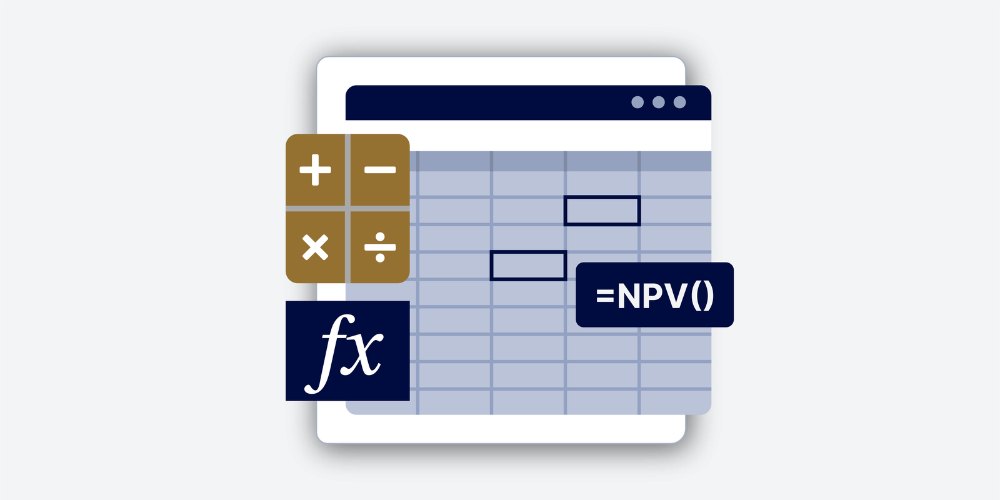
Excel is everywhere on CFI. The advanced formulas course alone is worth it if you live in spreadsheets.
What I Like About the Way It Teaches
- It’s practical. Most courses have you build something, such as a cash flow forecast, a valuation or a dashboard, instead of just answering quiz questions.
- Bite-sized options. Not everything is a giant program. Courses like Scenario & Sensitivity Analysis in Excel take around 1.5 hours, and Financial Analysis Fundamentals takes about 5.
- Templates you can reuse. CFI includes downloadable Excel models and templates, which is half the value if you run a small business.
- AI skills built in. There’s now a full track on using AI tools such as ChatGPT, Claude and Excel copilots for financial analysis and reporting.
- Subtitles in 20+ languages (varies by course), which helps if English isn’t your first language.
- CPE credits. If you’re an accountant who needs continuing education hours, courses count toward CPE/CPD.
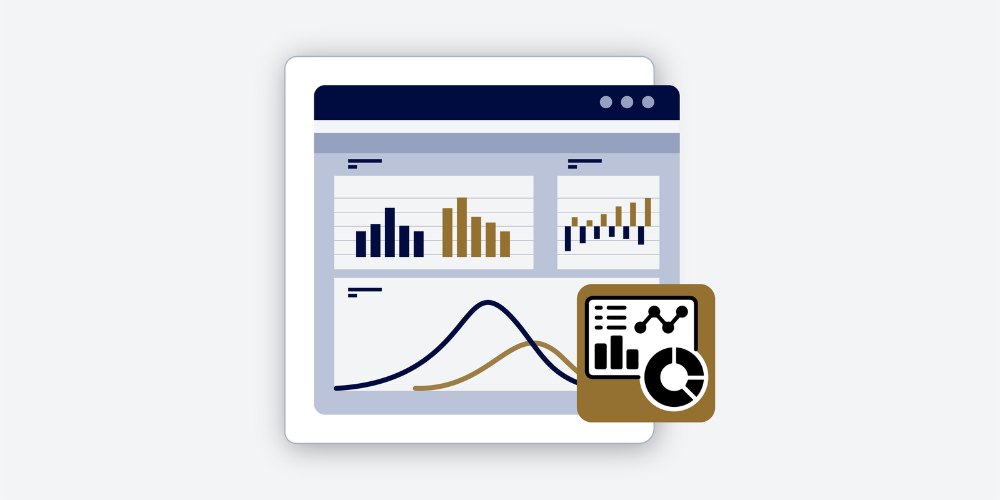
Dashboards and data visualization courses help you turn messy numbers into something you can present.
Explore CFI Courses at corporatefinanceinstitute.com
How Much Does CFI Cost?
CFI works on an annual membership rather than per-course pricing. When I checked the pricing page, there were two individual plans, both discounted:
- Self-Study: US$372.75 per year (25% off the usual $497). This includes all 250+ courses, the 8 certification exams including FMVA and FPAP, the 15 specializations and 575+ CPE/CPD credits.
- Full-Immersion: US$592.90 per year (30% off the usual $847). This adds 1-on-1 “Ask an Expert” help (5 questions a week), an AI Tutor inside every course, personal feedback on your models, premium templates and partner discounts on tools like PitchBook and Koyfin.
There’s also a free way to start, so you can poke around the platform before paying for anything. My honest take: most people should start with Self-Study. Upgrade only if you know you’ll use the expert feedback, for example when you’re preparing for interviews.
Who CFI Is Really For
CFI makes the most sense if you are:
- Aiming for a career in FP&A, corporate finance, investment banking or private equity and need job-ready modeling skills;
- An accountant or analyst who wants to move from reporting numbers to forecasting and valuation;
- A small business owner (yes, including beauty brands and salons) who wants to build real budgets and pricing models instead of guessing;
- Switching careers into finance and need a structured path plus a credential to put on your resume.
It’s probably overkill if you only want to learn basic personal budgeting. A free spreadsheet template will do that.
Final Thoughts
Investing in skills is the one purchase that keeps paying back. If finance is part of your job, or you want it to be, CFI is one of the more practical ways to get there. It’s hands-on, well-structured and respected by employers. Start with a single course or the free option, see if the teaching style clicks, and go for FMVA if it does.
You can see all the courses, certifications and current pricing on corporatefinanceinstitute.com.
Visit corporatefinanceinstitute.com
Pricing and course details are as listed on corporatefinanceinstitute.com at the time of writing and may change. Check the site for current offers.